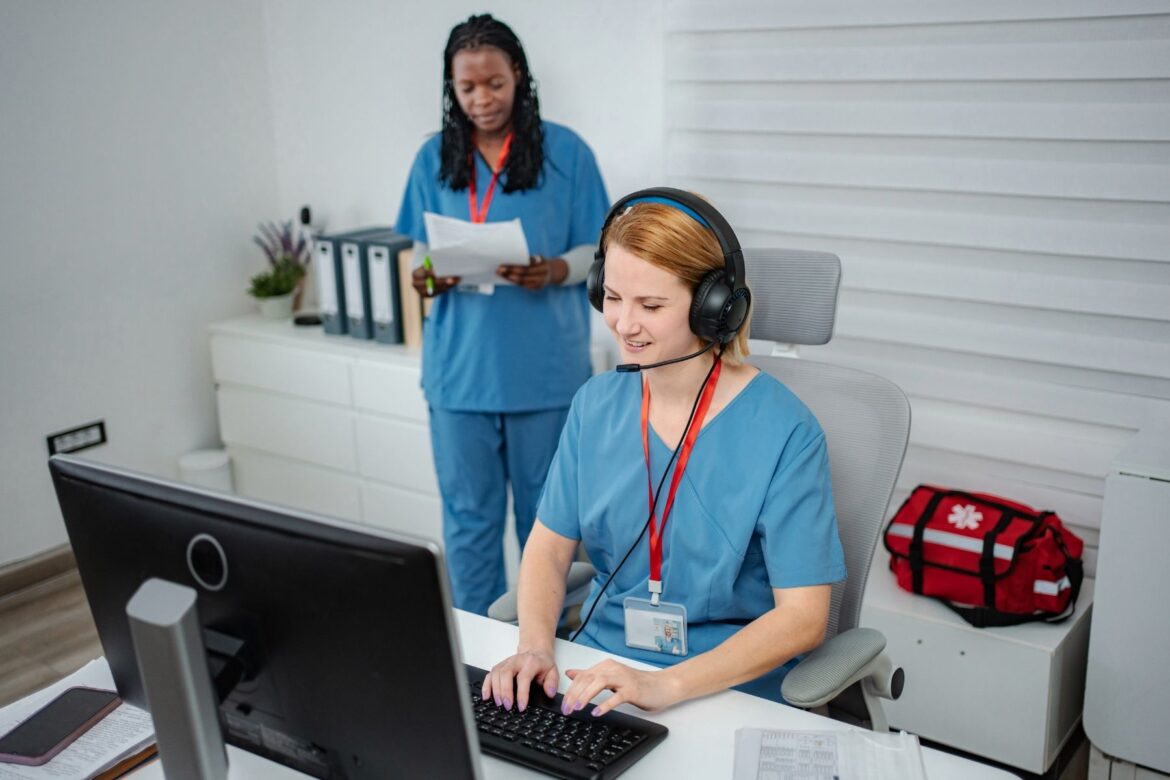
Hospital workflow efficiency plays a critical role in delivering high-quality patient care while maintaining sustainable operations. Hospitals are complex environments where physicians, nurses, administrators, technicians, and support staff must work together to manage large volumes of patients, treatments, and information. When workflows are inefficient, hospitals can experience delays, communication breakdowns, increased costs, staff burnout, and reduced patient satisfaction. Improving workflow efficiency helps healthcare facilities provide better care while making the best use of available resources.
Why Workflow Efficiency Matters
Every minute counts in a hospital setting. Delays in patient admissions, diagnostics, treatment plans, or discharge processes can create bottlenecks that affect the entire organization. Inefficient workflows often lead to longer wait times, overcrowded departments, increased stress among healthcare professionals, and unnecessary operational expenses.
Efficient workflows allow hospitals to:
- Improve patient outcomes
- Reduce waiting times
- Enhance communication between departments
- Increase staff productivity
- Lower operational costs
- Improve patient satisfaction
- Reduce employee burnout
- Optimize resource allocation
By focusing on process improvements, hospitals can create smoother operations that benefit both patients and healthcare providers.
Identifying Workflow Bottlenecks
The first step in improving hospital workflow efficiency is identifying areas where delays and inefficiencies occur. Common bottlenecks include patient registration, admissions, diagnostic testing, medication administration, discharge planning, and communication between departments.
Hospitals often conduct workflow assessments by mapping patient journeys from admission through discharge. This process helps administrators identify unnecessary steps, duplicated tasks, and communication gaps that slow operations.
Data collection is equally important. Metrics such as patient wait times, bed occupancy rates, discharge delays, and staff utilization can reveal opportunities for improvement.
Streamlining Patient Registration and Admissions
Patient registration is often the first interaction individuals have with a hospital. Inefficient registration procedures can create delays that affect the entire patient experience.
Many hospitals have improved admissions processes by implementing digital registration systems. Patients can complete forms online before arriving, reducing paperwork and administrative burdens.
Benefits of streamlined admissions include:
- Faster patient processing
- Reduced wait times
- Improved data accuracy
- Better patient experiences
- Lower administrative workload
Electronic systems also help staff access patient information more quickly, improving coordination across departments.
Enhancing Communication Between Departments
Communication failures are among the most common causes of workflow disruptions in hospitals. When departments operate independently without efficient information sharing, delays and errors become more likely.
Hospitals improve communication by adopting centralized communication platforms that allow staff to access real-time information. Electronic health records enable physicians, nurses, pharmacists, and specialists to review patient information simultaneously.
Effective communication systems help:
- Reduce treatment delays
- Improve patient safety
- Minimize duplicate testing
- Support collaborative decision-making
- Increase operational efficiency
Regular interdisciplinary meetings and standardized communication protocols can further strengthen coordination throughout the hospital.
Leveraging Electronic Health Records
Electronic health records have transformed hospital operations by reducing reliance on paper documentation. EHR systems provide instant access to patient information, medical histories, test results, and treatment plans.
Advantages of electronic records include:
- Improved information accessibility
- Faster documentation processes
- Enhanced accuracy
- Reduced administrative costs
- Better care coordination
Healthcare providers spend less time searching for records and more time focusing on patient care.
Optimizing Staffing and Scheduling
Staffing challenges can significantly impact hospital efficiency. Understaffing often leads to delays and burnout, while overstaffing increases labor costs.
Many hospitals use workforce management software to align staffing levels with patient demand. By analyzing historical data and patient volumes, administrators can schedule staff more effectively.
Cross-training employees also improves flexibility by allowing staff members to assist in multiple areas when needed. This approach helps hospitals adapt to fluctuating patient volumes without sacrificing service quality.
Benefits include:
- Better resource utilization
- Reduced overtime costs
- Improved employee satisfaction
- Enhanced patient care coverage
Improving Patient Flow
Patient flow refers to how individuals move through various stages of care within the hospital. Inefficient patient flow can lead to overcrowded emergency departments, delayed treatments, and bed shortages.
Hospitals improve patient flow by:
- Reducing admission delays
- Streamlining diagnostic testing
- Coordinating treatment schedules
- Accelerating discharge planning
- Improving bed management
Real-time patient tracking systems help staff monitor capacity and identify delays before they become larger problems.
Effective patient flow management allows hospitals to serve more patients while maintaining high standards of care.
Reducing Diagnostic Delays
Diagnostic testing often plays a crucial role in treatment decisions. Delays in laboratory results or imaging studies can slow patient care and extend hospital stays.
Hospitals improve diagnostic workflows through:
- Automated laboratory systems
- Digital imaging technology
- Electronic test ordering
- Faster result reporting
- Better coordination between departments
Reducing diagnostic turnaround times helps physicians make timely decisions and improves overall patient outcomes.
Strengthening Discharge Planning
Discharge delays contribute significantly to hospital inefficiency. Patients who are medically ready to leave may remain in beds due to paperwork issues, transportation challenges, or coordination problems.
Effective discharge planning begins early in the patient’s stay. Hospitals often assign care coordinators who work with patients, families, and healthcare providers to ensure smooth transitions.
Improved discharge processes result in:
- Shorter hospital stays
- Better bed availability
- Reduced readmission rates
- Improved patient satisfaction
- Lower operational costs
When patients leave the hospital efficiently, resources become available for incoming patients.
Utilizing Automation and Technology
Automation has become an essential component of hospital workflow improvement. Many routine administrative tasks can now be handled through software systems, reducing manual workloads and minimizing errors.
Examples include:
- Appointment scheduling
- Billing and coding
- Inventory management
- Prescription processing
- Patient reminders
Automation allows healthcare professionals to spend more time delivering care and less time managing paperwork.
Artificial intelligence and predictive analytics are also helping hospitals forecast patient demand, optimize staffing, and identify operational improvements.
Improving Inventory Management
Hospitals rely on thousands of medical supplies and equipment items every day. Poor inventory management can lead to shortages, waste, and unnecessary spending.
Modern inventory systems track usage patterns and automatically alert staff when supplies need replenishment. These systems help hospitals maintain appropriate stock levels while reducing waste.
Benefits include:
- Lower supply costs
- Reduced waste
- Better resource availability
- Improved operational efficiency
Effective inventory management ensures clinicians have access to the tools they need without excessive spending.
Supporting Staff Well-Being
Workflow efficiency is closely tied to employee satisfaction. Overworked staff members are more likely to experience stress, fatigue, and burnout, which can negatively affect patient care.
Hospitals improve staff well-being by:
- Simplifying workflows
- Reducing administrative burdens
- Providing adequate staffing
- Offering training opportunities
- Encouraging teamwork
When employees feel supported, productivity and patient care quality often improve simultaneously.
Measuring Success Through Data
Continuous improvement requires ongoing measurement. Hospitals track key performance indicators to evaluate workflow performance and identify new opportunities for optimization.
Common metrics include:
- Patient wait times
- Length of stay
- Readmission rates
- Staff productivity
- Patient satisfaction scores
- Bed utilization rates
Regular analysis helps hospitals make informed decisions and sustain long-term improvements.
Conclusion
Improving hospital workflow efficiency is essential for delivering high-quality care while managing costs and resources effectively. Through better communication, streamlined processes, advanced technology, optimized staffing, and continuous performance monitoring, hospitals can eliminate inefficiencies that impact both patients and healthcare professionals.
As healthcare demands continue to grow, hospitals that prioritize workflow improvement will be better positioned to provide exceptional care, enhance patient experiences, and maintain sustainable operations. By focusing on efficiency without compromising quality, healthcare organizations can achieve meaningful improvements that benefit everyone involved in the care journey.
Just as hospitals rely on strong systems and preventative maintenance to operate efficiently, property owners understand the importance of protecting their buildings from costly damage. Quality roofing plays a major role in maintaining a safe and functional structure, which is why many homeowners and businesses turn to Wellington Roofing services for inspections, repairs, and replacements. A well-maintained roof helps prevent leaks, improves energy efficiency, and reduces the likelihood of expensive emergency repairs, making it a smart long-term investment for any property.